JA
JA  EN
EN  FR
FR  DE
DE  RU
RU  ES
ES  AR
AR 
Stick pack packaging is the default unit for modern single-serve supplements — powders, collagen shots, electrolyte mixes, and probiotic sticks. They deliver convenience and dosing accuracy while acting as a compact branding surface. A reliable stack pack manufacturer determines whether your packaging elevates perceived quality or becomes a recurring quality risk.
In this guide, Meishida, a healthcare flexible packaging company, shares material choices, tactile feel, printing, size, production realities, and collaboration steps that drive successful supplement packaging launches.
Start with the Product Brief, Not the Artwork
Your stick pack manufacturer must receive a technical brief first: ingredient hygroscopicity, particle size, required shelf life, fill temperature, and target market. Those parameters control barrier needs, sealant selection, and web handling — factors that influence what finishes and print effects are feasible. Treat branding as an outcome of engineering, not the input.
Material Feel and Finish Shape Brand Perception
Tactile choices are high-impact:
- Gloss vs matte: Gloss communicates clinical or high-energy positioning; matte or soft-touch conveys premium or natural.
- Soft-touch coatings: Provide tactile premium but test for scuff resistance and printing adhesion.
- Paper-touch laminates: Useful for organic brands, but usually need a high-barrier inner web to protect the product.
- Thickness & stiffness: Thicker films feel premium but add cost and may impact sealing. Orientation (MDO) can improve stiffness without adding microns.
Have your stick pack manufacturer provide physical samples with the exact lamination and finishing so you can assess hand-feel alongside functional protection.
Size, Dosing, and User Experience
Dimension choices affect usability and shelf communication:
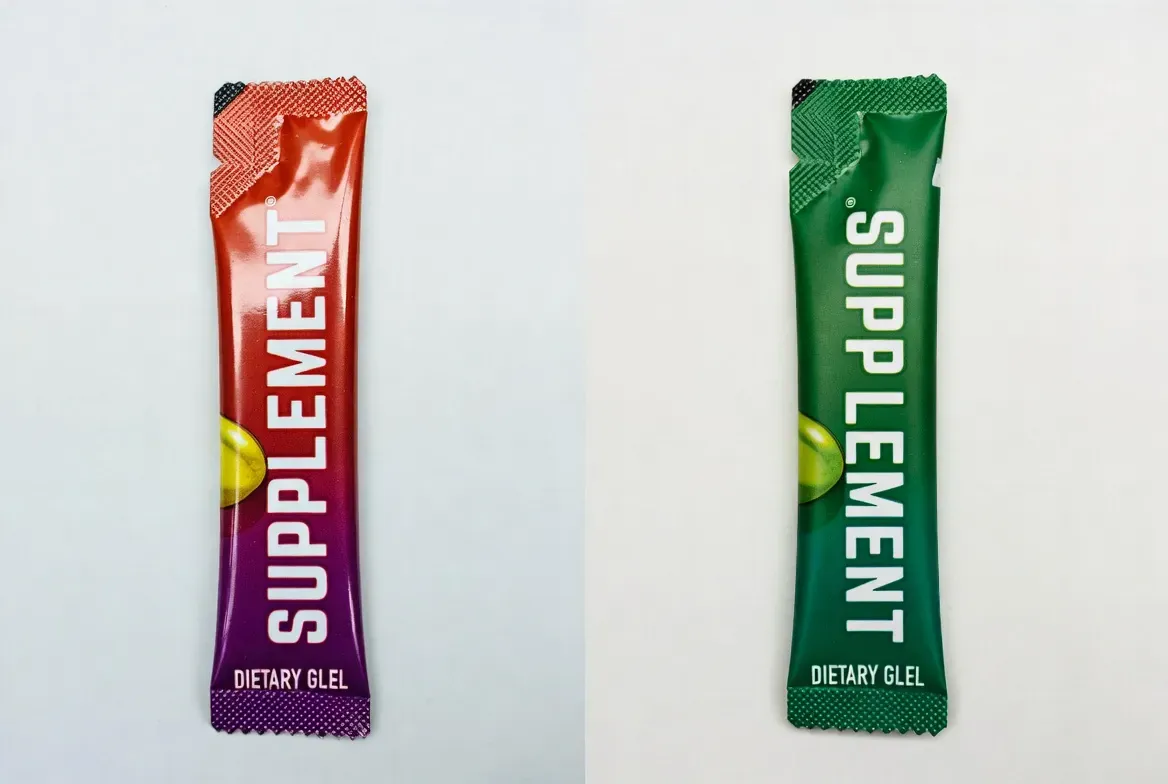
- Width range: Typical stick widths fall between 15 and 40 mm; choose based on powder volume and pouring stability.
- Length: Decide by gram weight and desired tear mechanics; very short stack packs may be hard to open, very long stack packs reduce branding area.
- Tear notch placement: Position to avoid product spillage and to allow a clean opening at ease.
- Fill weight tolerance: Specify acceptable variance and confirm that the stack pack manufacturer can hit target fills at the requested line speed.
User tests on prototype fills are indispensable — measure spillage, reseal (if applicable), and opening force.
Printing Strategy — Make Brand and Compliance Coexist
Printing is both aesthetic and functional for supplement packaging:
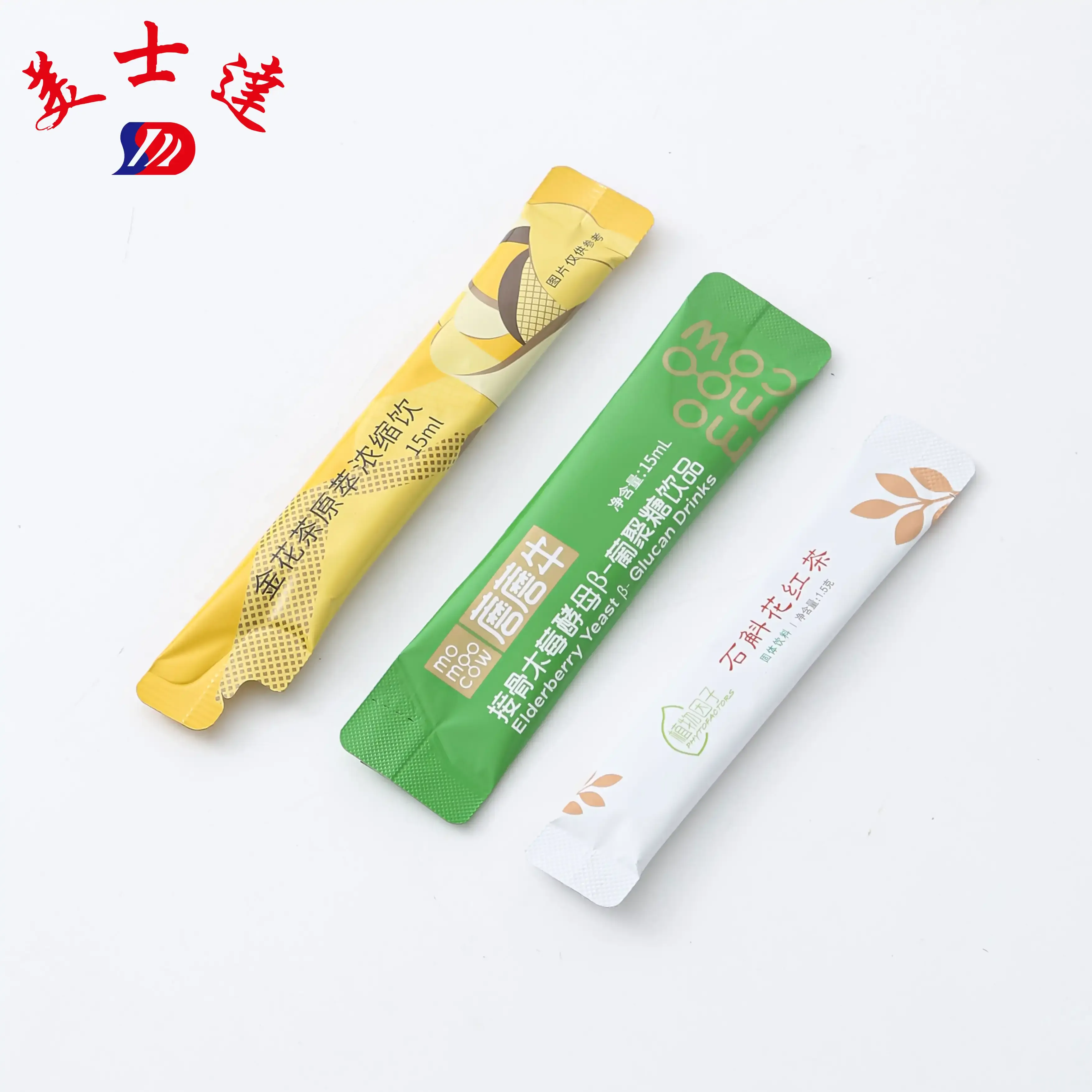
- Process selection: Gravure yields saturated solids and fine detail; flexo is cost-efficient for shorter runs.
- Color management: Define ΔE tolerances and require press proofs.
- Special finishes: Metallic inks, varnishes, and soft-touch coatings add perceived value but may increase MOQ and complicate lamination.
- Information hierarchy: Supplement facts, lot code, best-before date, and regulatory statements must be legible; QR codes should be scannable after creasing and packing.
- Ink chemistry: Prioritize water-based or low-migration inks, especially if reverse-printing is not used.
Include print and finish specs in the RFQ, so quotes reflect true cost and lead time.
Production Realities: Equipment, Registration, and MOQ
Not every converter with a press is a true stack pack manufacturer. Validate capabilities:
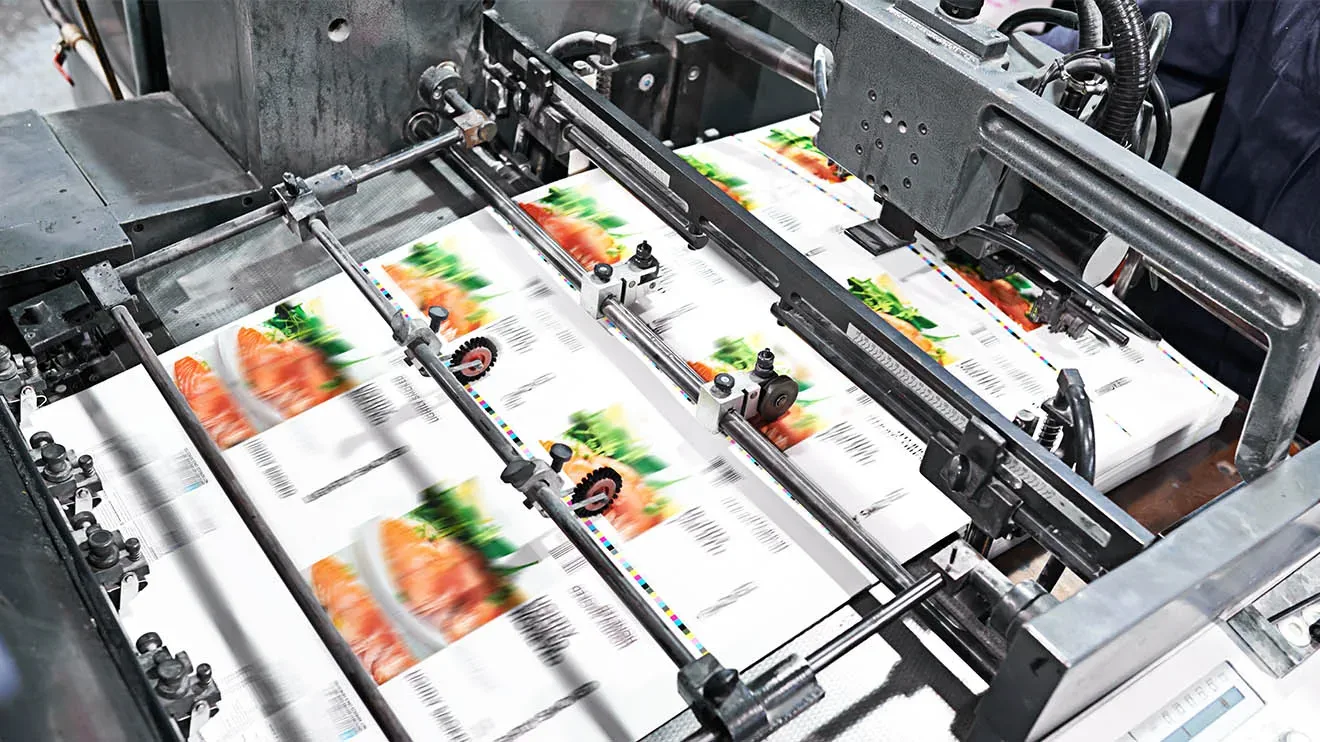
- High-speed stick pack lines: Require accurate pouch cutting, registration control, and reliable sealing at target RPM.
- Multi-lane capacity: Useful for scaling SKUs quickly; confirm lane synchronization.
- Registration tolerance: Ask for specs in mm for print-to-cut accuracy.
- MOQ tiers: Custom colors, special coatings, and bespoke sizes raise MOQ — plan SKU bundling to amortize tooling and plate costs.
Request actual machine videos, typical run speeds, and minimum viable batch sizes during supplier selection.

Sustainability Choices That Don’t Break Performance
If you pursue recyclable supplement packaging, evaluate trade-offs:
- Mono-PE systems improve recyclability but may need EVOH encapsulation to meet barrier needs.
- Reduced-gauge films lower the footprint but require verification of puncture and seal integrity.
- Ask the stick pack manufacturer for lifecycle comparatives and local recycling acceptance statements.
Label sustainability claims precisely and back them with verification to avoid greenwashing.
Cost Drivers and Budget Planning
Key cost levers include material type, number of print colors, special finishes, and MOQ. Expect tooling and plate costs for bespoke sizes; plan SKUs to optimize plates and die usage.
Collaborative Rollout: How to Work with Your Manufacturer
Engage the stick pack manufacturer at the formula phrase. Schedule early lab laminates, bench-scale prints, and full-line trials. Use test batches to validate consumer opening, dosing, and shipping behavior. Formalize acceptance criteria and change-control procedures before scaling.
Conclusion
A credible stack pack manufacturer is both a technical partner and a brand enabler. Balance barrier function, tactile experience, printing sophistication, and cost. Treat packaging development as iterative engineering — define measurable targets, validate online, and use the manufacturer’s feedback to refine both formula and design. When executed correctly, stick packs become a durable competitive advantage in the crowded supplement packaging landscape.
明石田について
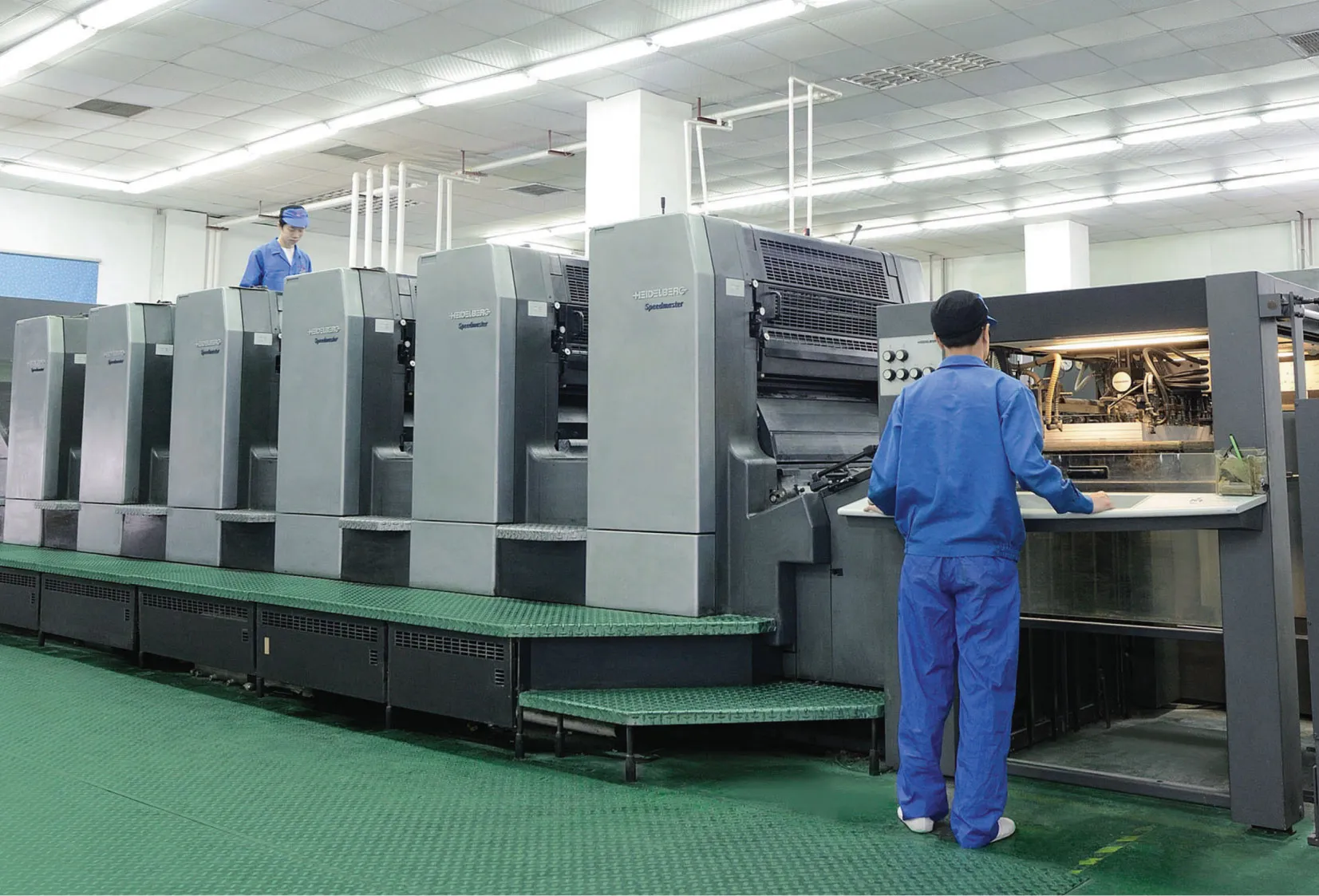
Meishida is a specialized stick pack and flexible packaging manufacturer serving global supplement brands and nutrition brands.
Core processes—film lamination, precision printing, slit control, and high-speed stick pack conversion—are managed in-house under structured quality systems to ensure stable barrier performance and consistent batch output. From material selection to registration accuracy, production parameters are tightly monitored to protect fill integrity and shelf life.
For B2B clients, Meishida offers custom stack pack solutions for supplement brands, covering laminate structures, finish effects, size formats, and compliance-driven artwork integration, delivering scalable, specification-controlled supply.