JA
JA  EN
EN  FR
FR  DE
DE  RU
RU  ES
ES  AR
AR 
Buying food packaging bags wholesale is more than picking the lowest unit price — it’s about managing the total cost of ownership while meeting barrier, regulatory, and branding requirements.
This food packaging bags wholesale price guide, delivered by Meishida, a leading pharmaceutical packaging manufacturer, will explain what drives cost, how to benchmark quotes, practical ways to save cost and reduce packaging costs, and the tests and contract terms buyers must insist on.
What Drives Wholesale Pouch Prices (the Big Cost Factors)
Driving factors for wholesale packaging bag prices (main cost factors)
Raw materials and film structure
In selection (PET, BOPP, VMPET, PE, EVOH, PA) and whether the film is a single material or a composite material are the biggest cost inputs. Metalization and foil layers will increase significant premiums; co-extrusion or single-layer PE can usually save costs and facilitate recycling.
Barrier and performance requirements
Packaging bags designed to meet strict MVTR and OTR targets (applicable to moisture and oxygen-sensitive foods) require higher-grade film or EVOH/foil layers, which can increase costs.
Printing and post-processing
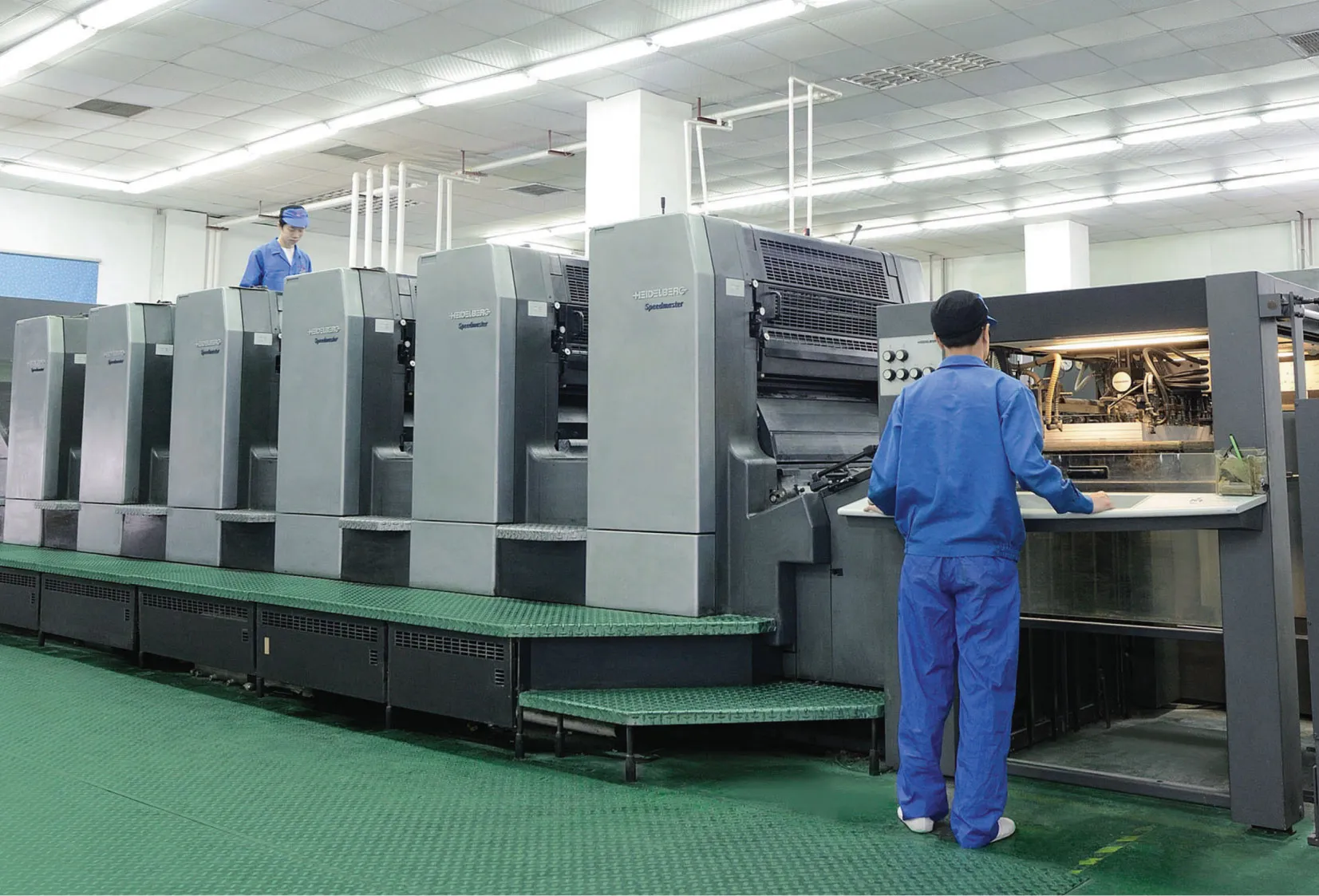
Full-bleed rotary gravure printing, multi-color printing, soft-touch varnish, foil, and embossing will all increase prices. Digital printing will increase unit costs, but it can save costs in cases of short print and frequent SKU changes.
Functional characteristics and conversion
zippers, nozzles, exhaust valves, windows, tear ports, and special seals will increase conversion time and part costs.
Mold, minimum order quantity, and production cycle
cylinder/plate costs and mold costs will be amortized based on production volume. The higher the minimum order quantity, the lower the amortized cost per bag.
Logistics and delivery time
Shipping methods (air or sea), palletizing efficiency, and inventory all increase the total cost of ownership (TCO).
Testing and Compliance
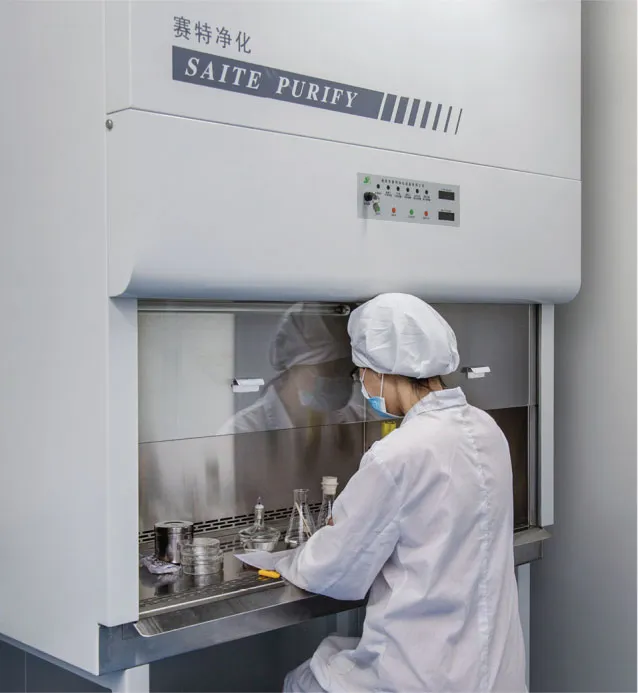
Food contact certification, migration testing, and shelf life research must be included in the budget, especially in export markets.
How to Benchmark Quotes
When you receive multiple quotes, compare the same deliverables.
- Request finished-pouch unit price (not film-only), MOQ, tooling amortization, lead time, incoterms, and sample costs.
- Insist on finished-pouch MVTR/OTR test reports and mechanical test data (seal strength, burst). Suppliers quoting different laminate builds must provide clear equivalence.
- Compare print coverage (full-bleed vs spot), varnish types, and finishing steps. A cheaper quote that uses inferior inks or skips lamination can cost you in returns and shelf-life failures.
Simple Pricing Formulas and TCO Thinking
Use these formulas to make informed comparisons.
- Unit Cost ≈ (Material + Printing + Converting + Tooling amortized + QC + Inner packing + Logistics) / Quantity
- TCO per unit ≈ Unit Cost + Freight per unit + Warehousing per unit + Waste/reject cost per unit − Spoilage reduction benefit per unit
Estimate breakeven MOQ for tooling: divide the tooling cost by the per-unit savings to see how many units are needed to justify the initial investment.
Practical Ways to Save Costs Without Losing Quality
Focus on design, procurement, and operations — these are high-impact levers to save cost while preserving performance.
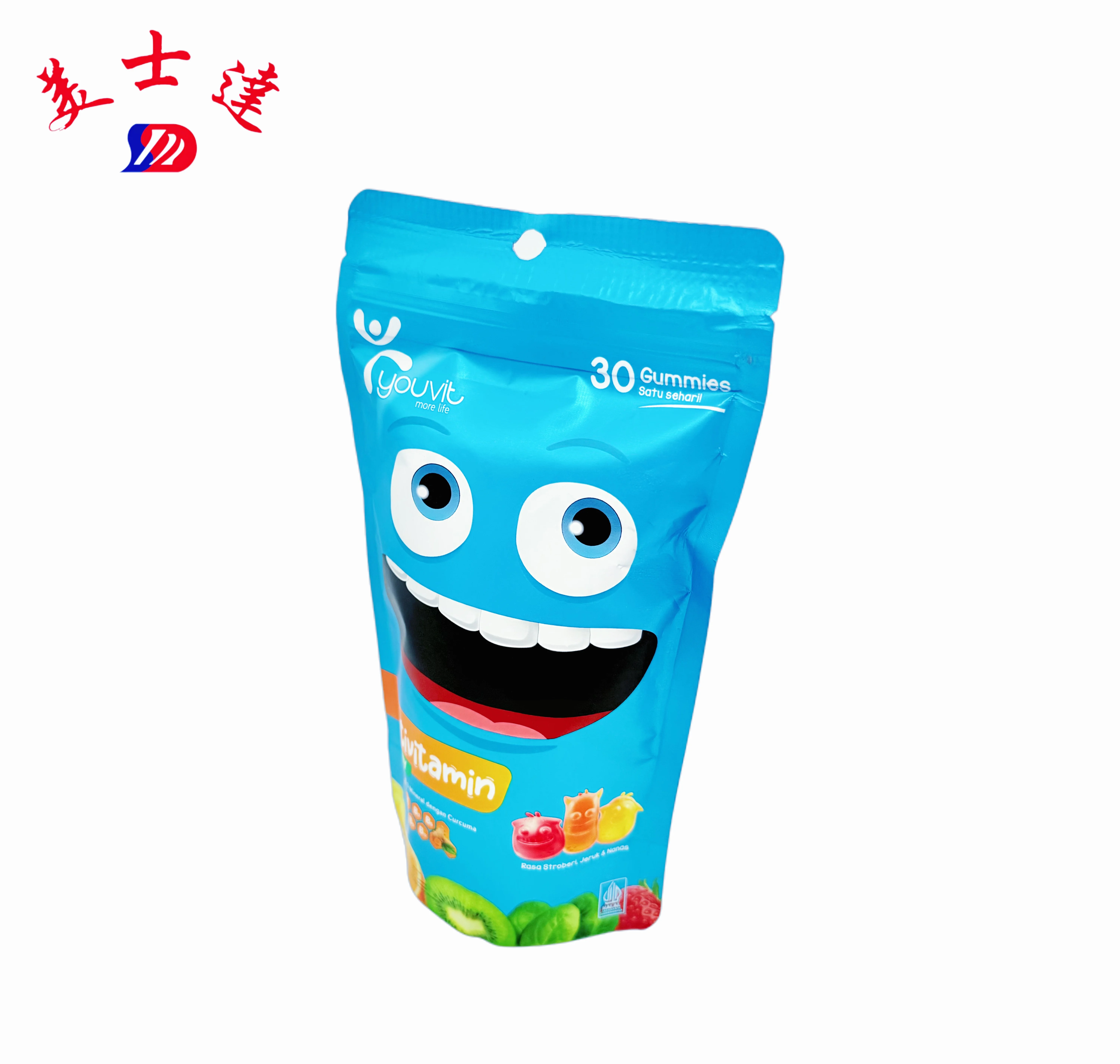
- Design smarter — Reduce spot colors, avoid unnecessary full-bleed, use standard pouch sizes, and prefer recyclable mono-material constructions where feasible. Small changes in dieline or print coverage can cut printing costs dramatically.
- Material engineering — Consider mono-PE or PET-mono options for easier recycling and lower laminating cost. Use barrier coatings or thicker PE only where truly needed, rather than defaulting to foil.
- Choose the right printing method — Use digital for short runs and frequent SKU changes, gravure for large, consistent runs. Align printing tech with your SKU lifecycle to avoid paying for unneeded capability.
- Consolidate SKUs and suppliers — Fewer SKUs mean fewer changeovers and lower plate/tooling costs; strategic supplier consolidation can unlock volume discounts.
- Optimize order cadence — Balance freight and inventory costs: larger, less frequent orders may reduce per-unit logistics cost; frequent smaller orders reduce warehousing and cash tied up.
- Improve palletization & pack-out — Better cube utilization reduces sea/air freight cost per unit.
- Invest in slightly better barrier — Preventing spoilage and returns often delivers ROI exceeding the marginal material cost — a classic TCO tradeoff where spending a little more upfront helps save cost downstream.
Negotiation & Contracting Tactics
Negotiate transparently.
- Ask for a line-item breakdown of material, print, converting, tooling, and logistics.
- Negotiate tooling amortization terms and volume tiers with step-down pricing.
- Require pilot runs with defined KPIs before full production.
- Include SLA penalties for late delivery and reject rates tied to MVTR/OTR and seal strength thresholds.
Quality Safeguards That Buyers Must Request
Don’t accept claims without data.
- Finished-pouch MVTR / OTR certificate (third-party preferred).
- Seal strength, burst, and puncture test reports.
- Batch COA and traceability for raw materials.
- Shelf-life or accelerated aging studies for new builds.
Sustainability & Cost Implications
Recyclability choices affect price and downstream costs. Mono-material pouches (PE/PE or PET/PET) can reduce end-of-life fees and gain retailer favor, but may require design tradeoffs. Factor in EPR obligations and potential rebates for using r-content. Designing for circularity can also help save costs over time by avoiding future compliance fees and improving retailer acceptance.
Red Flags to Walk Away From
Be cautious if a supplier: has no finished samples, refuses to share MVTR/OTR or certifications, gives evasive lead times, or offers prices that seem unrealistically low without breakdowns.
About Us
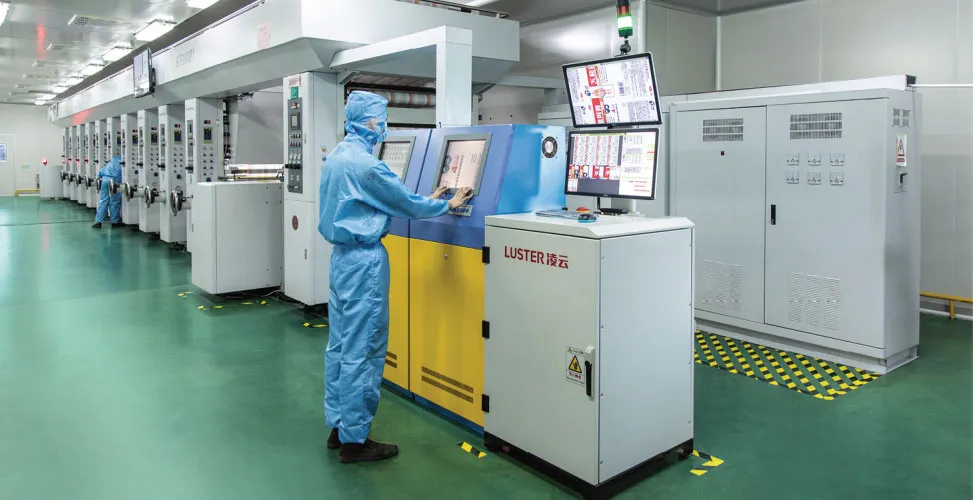
Meishida is a leading flexible packaging manufacturer, known for delivering packaging that combines reliable protection with lower costs. By streamlining production and optimizing material selection, we help clients lower overall packaging costs without sacrificing quality or performance.
Our expertise in custom flexible packaging solutions allows brands to achieve unique designs, efficient supply, and cost-effective outcomes, making us a trusted partner for businesses looking to balance innovation with budget control.
Conclusion
This food packaging bags wholesale price guide empowers buyers to compare quotes beyond the sticker price. Benchmark wholesale food packaging offers by finished-pouch performance, compute total cost of ownership, and apply design and procurement levers to save cost and reduce packaging costs without sacrificing shelf life or compliance. Download our RFP template and TCO spreadsheet to streamline supplier evaluation and start realizing measurable savings on your next sourcing cycle.
-1.webp)