EN
EN  FR
FR  DE
DE  RU
RU  ES
ES  AR
AR  JA
JA 
Regulatory compliance is a foundational requirement for supplement brands. Complying with the FDA regulations is not just about marketing, but also about the safety of clients.
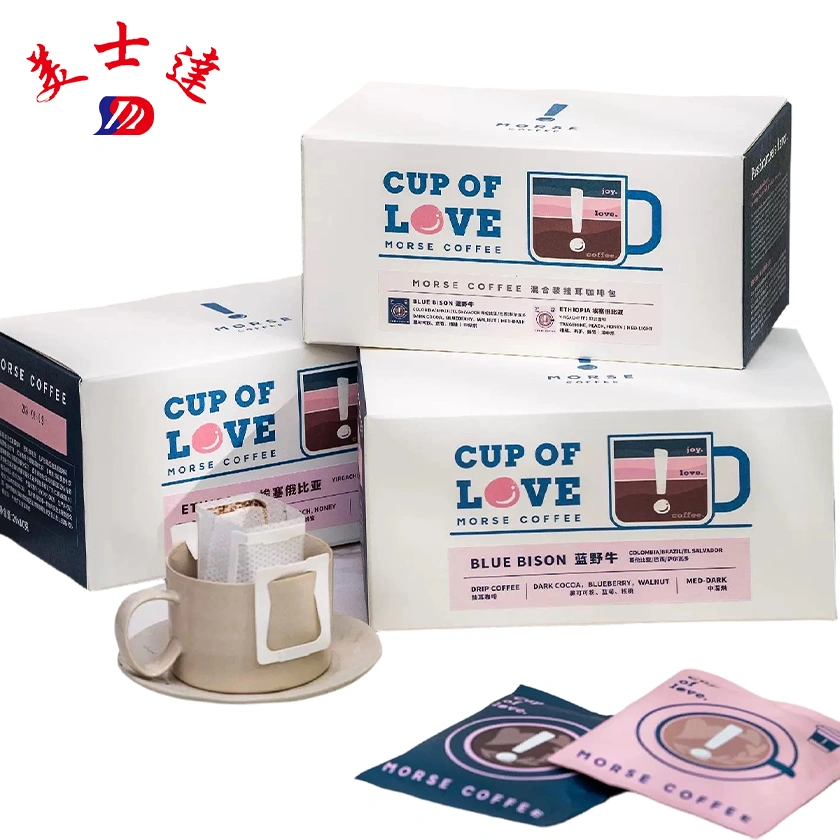
In this guide, Meishida, a leading healthcare packaging manufacturer, explains what the U.S. Food and Drug Administration requires for flexible, direct-to-product packaging used with dietary supplements, what manufacturers must deliver, and what brands should require before signing a purchase order.
Understanding Supplement Packaging Needs
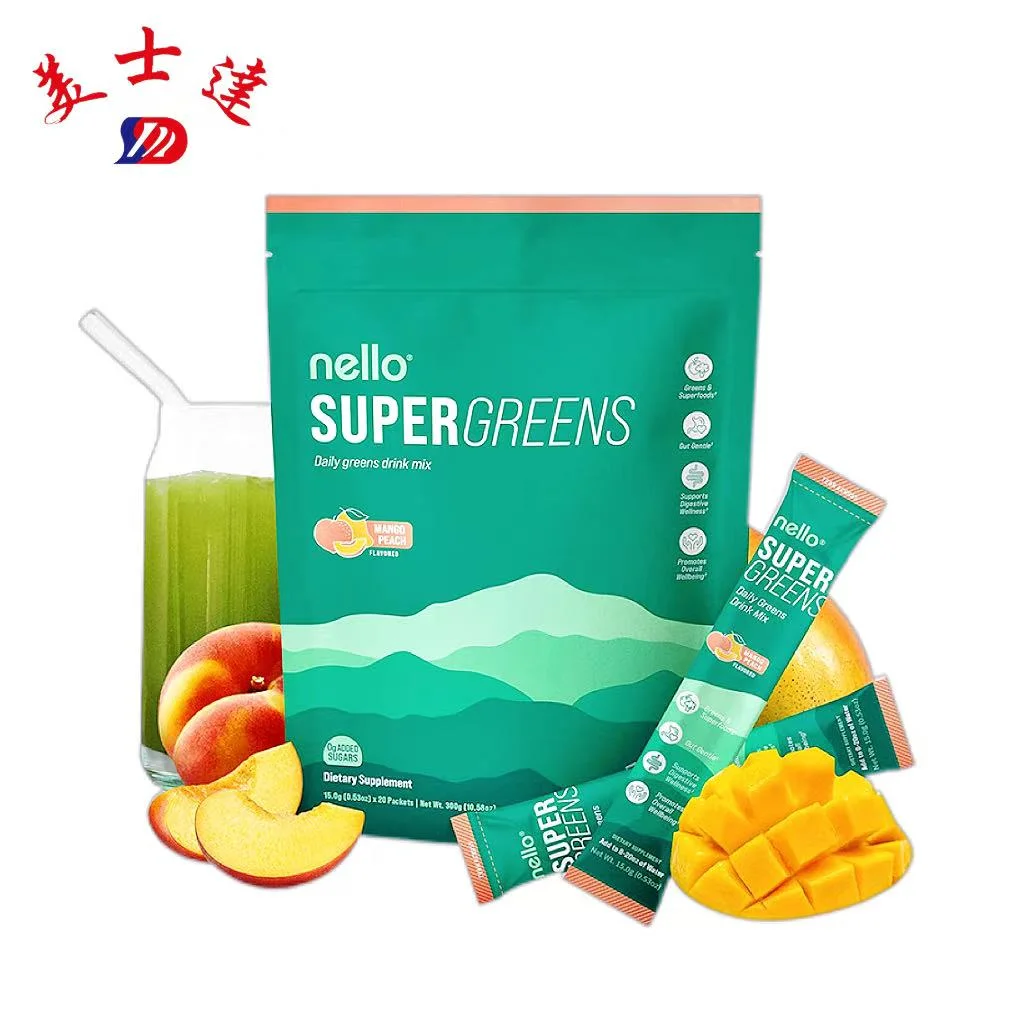
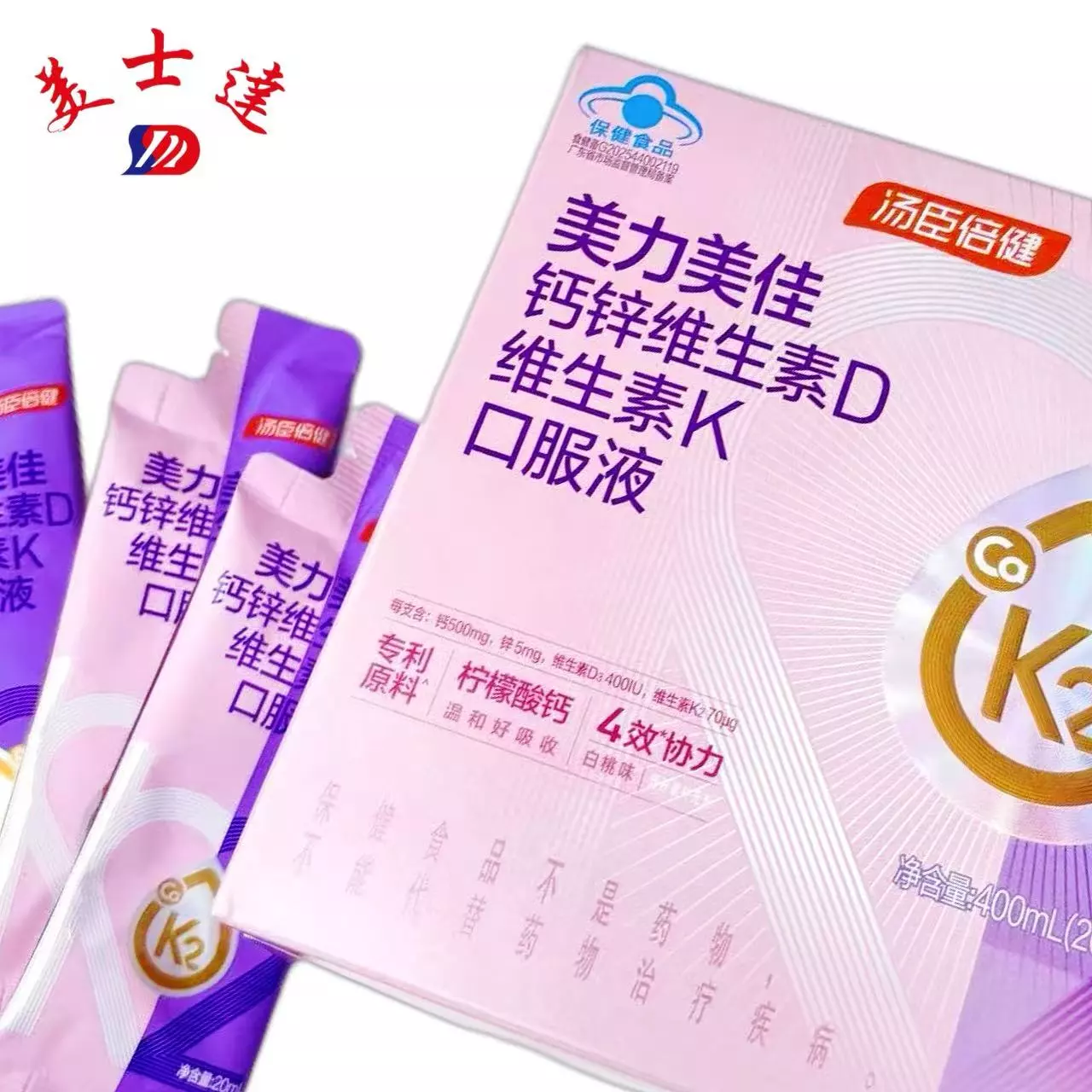
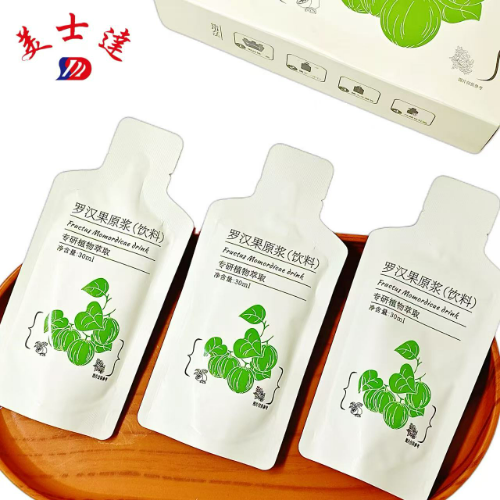
There are formats of supplement pouches, such as powdered mixes, capsules in liners, liquid shots, softgel sachets, and each format places different demands on packaging safety and validity.
As a brand owner, you need to, firstly, consider the barrier performance, chemical compatibility, and mechanical robustness, and label space for information that is required by the authorities.
A true FDA-compliant supplement pouch balances these needs while enabling reliable sealing and validated filling on production lines.
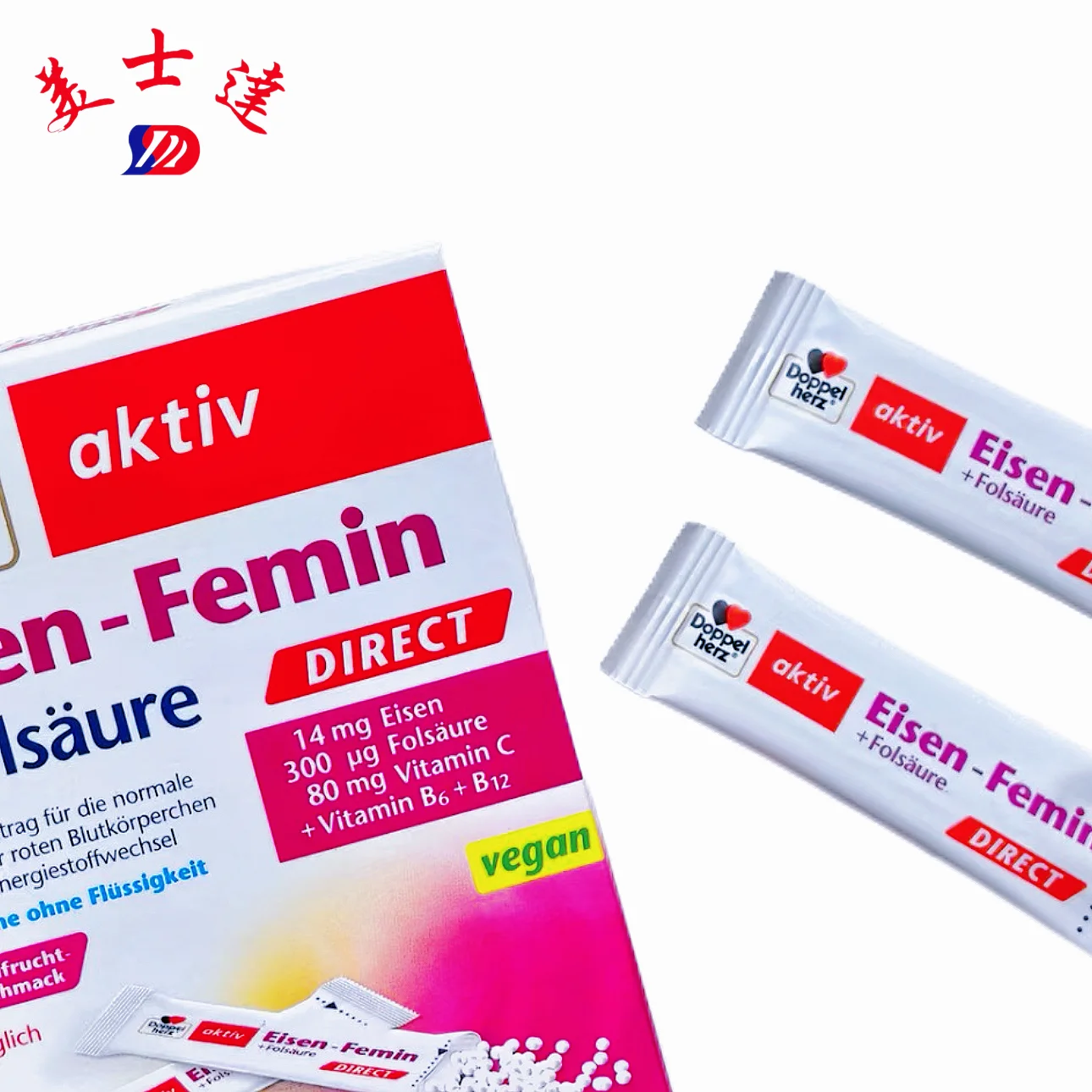
FDA Requirements for Supplement Packaging
The FDA regulates materials intended for food contact under Title 21, Parts 170–199 of the Code of Federal Regulations. For supplement packaging, this implies several obligations:
- Food contact safety: Materials and components must be safe for their intended use; unapproved additives or migrant substances are blocked.
- Migration limits: Packaging must not transfer harmful levels of substances (including heavy metals, plasticizers, or ink components) into the product; migration testing against appropriate food simulants is required in risk cases.
- Good manufacturing practices: Facilities that manufacture flexible packaging for supplements should align with cGMP principles to control contamination risks and maintain traceability.
- Labeling and traceability: While supplement pouch labels must carry supplement facts and lot/expiration information for the brand, the packaging supplier must support lot traceability and provide declarations for audits.
A compliant solution is demonstrable — the manufacturer must provide documentation, not just assurances.
Manufacturer Responsibilities and Evidence
A reliable, flexible packaging supplier of an FDA-compliant supplement pouch should provide the following before production:
- Layer-specific Declarations of Compliance (DoC) and Certificates of Analysis (CoA) for films, inks, adhesives, and closures. These documents must reference lot numbers.
- Migration and organoleptic test reports for the finished laminate when the formulation or filling process presents a migration risk (e.g., high ethanol content, high-fat carriers, or volatile actives).
- Seal integrity and mechanical test data — measurable metrics such as seal strength (N/15 mm), burst pressure, and puncture resistance under defined conditions.
- Process validation reports showing pilot runs on the intended filling equipment (hot-fill, aseptic, rotary-piston, or auger dosing), including waste rates and run stability.
- Quality management evidence: cGMP alignment, ISO 9001/22000 or HACCP certificates, and documented traceability systems that tie finished pouches to raw material batches.
- Ink & varnish compliance: low-migration inks and certified food-contact inner-web treatments; ink DoCs should be included.
Manufacturers should also disclose any limitations — for instance, whether a proposed laminate is suitable for retort or high-temperature pasteurization.

Practical Recommendations for Supplement Brands
When evaluating a supplier, make these actions mandatory:
- Request batch-level documents up front. Do not accept generic or stock certificates. Require DoCs and CoAs that reference the exact laminate lot to be used for your production.
- Specify acceptance criteria in the purchase contract. Define test methods (e.g., ASTM or ISO standards), sample sizes, acceptable failure rates, and remediation steps should a lot fail.
- Validate on your filler. Insist on pilot runs at production speeds or witnessed trials at the manufacturer that replicate your line conditions. Capture seal performance, dosing CV (coefficient of variation), and headspace oxygen for each pilot batch.
- Require migration proof where applicable. If your supplement contains solvents, high ethanol, essential oils, or fat-soluble actives, demand migration test results using appropriate food simulants and conditions.
- Include stability study expectations. For shelf-life claims, require accelerated stability data (ICH or ASTM protocols) and at least limited real-time data before agreeing to large orders.
- Audit readiness. Ensure your supplier can produce documentation rapidly for audits and has a CAPA process for nonconformances.
These steps convert supplier claims into a verifiable entity.
Why Documentation and Contracts Matter
An FDA-compliant supplement pouch is only defensible on paper if a complaint occurs, an audit, or a recall is needed; a brand must prove diligence that the packaging was specified to a certain level, tested, and validated. Clear contracting on unapproved substitution, adequate change notices, and linking legal liability to test criteria is a must in managing risks on material substitution.
Conclusion
Selecting packaging for supplements is a systems decision: material science, regulatory science, and manufacturing engineering intersect. An FDA-compliant supplement pouch is not a product you buy by label alone — it is a set of documented, validated capabilities you commission. Brands that insist on batch-level DoCs, pilot validation, migration testing where needed, and contractually defined acceptance criteria reduce exposure to regulatory action and protect product quality and reputation.
About Meishida

Meishida is a leading pharmaceutical packaging manufacturer, and is now expanding our business to healthcare supplement packaging supply. With advanced 100,000‑grade workshops, automated lines, and strict quality systems, we are able to offer wholesale custom FDA-compliant supplement pouches and meet the standards of other international safety to ensure drug protection and regulatory compliance.
We provide flexible design, material selection, printing, and structural customization for FDA-compliant supplement pouches to support brands in pharmaceutical, healthcare, and related industries.