DE
DE  EN
EN  FR
FR  RU
RU  ES
ES  AR
AR  JA
JA 
Single-serve formats dominate modern FMCG and nutraceutical launches. For private-label and contract manufacturers, choosing between a stick pack and a sachet is a technical decision that affects fill accuracy, shelf life, consumer experience, and unit economics.
In this article, Meishida, a leading stick pack packaging manufacturer, gives procurement and packaging engineers a practical comparison across powder, liquid, and granular products and explains what a buyer must test and specify before placing orders.
Learn Stick Pack and Sachet
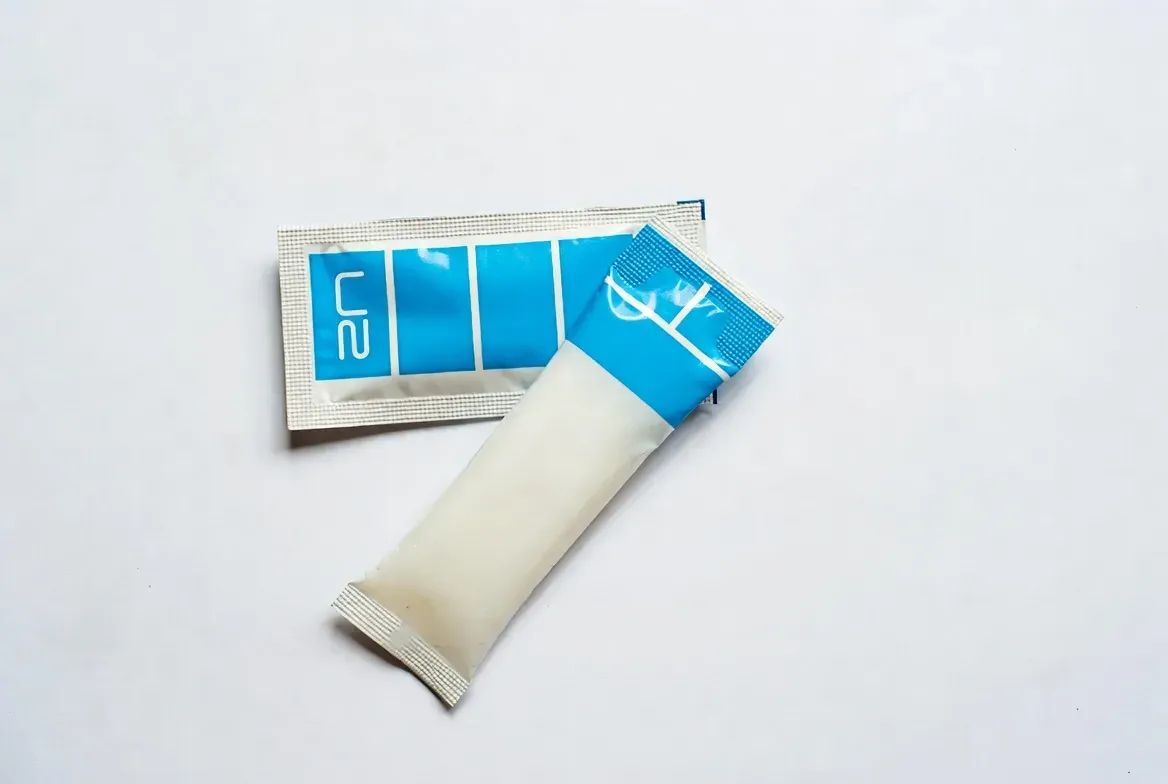
Stick packs are long, narrow packets formed on VFFS lines, engineered for controlled pouring and premium branding. They offer superior cartonization efficiency but demand high fill accuracy and seal strength.
In contrast, sachets are broader, three- or four-sided sealed pillows designed for high-speed production. While sachets have a lower perceived value, they are the most economical choice for commodity SKUs, offering greater tolerance for varying particle sizes and viscous liquids.
Buyers should choose stick packs for precise, premium dosing and sachets for cost-effective, high-volume throughput where consumer dispensing experience is less critical.
Why These Two Packagings Prevail
From a buyer’s perspective, the main contrasts between sachet and stick pack are dosing, machinability, and consumer ergonomics.
The stick pack excels at single-dose powders and instant beverage sticks where controlled pour and brand perception matter. By contrast, sachets offer simpler tooling and better tolerance for viscous liquids and mixed particulates.
Each format also presents different sealing geometries: a stick pack requires robust fin seals and tight headspace control, while sachets may rely on corner seals and larger weld areas.
Powder Applications
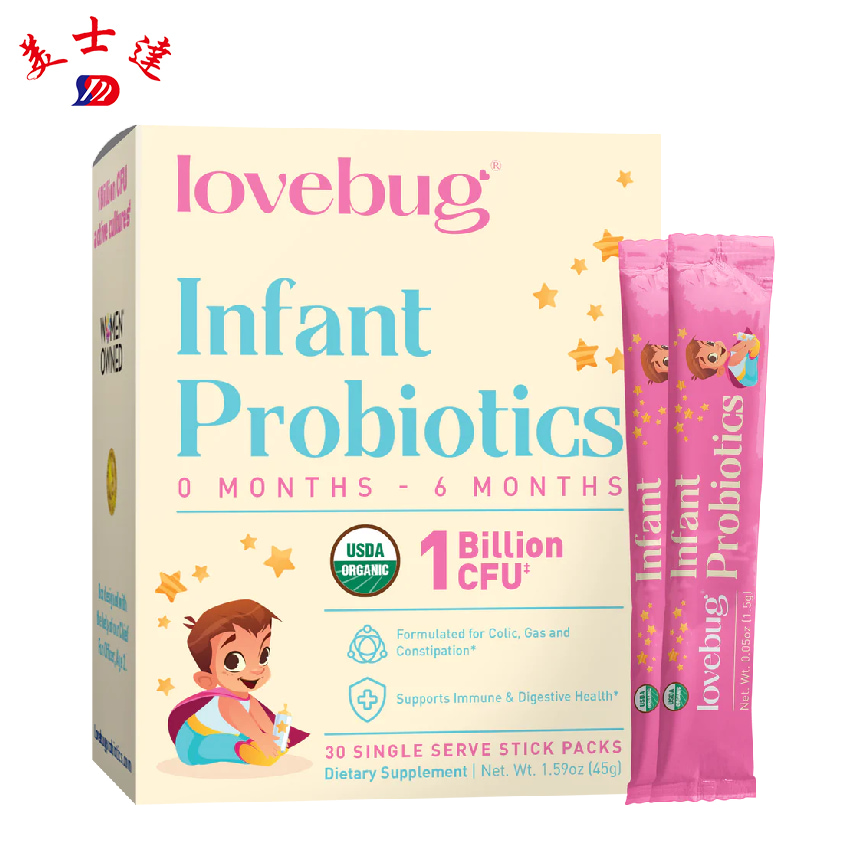
For fine, free-flowing powders—instant coffee, electrolyte mixes, collagen, and vitamin shots—a stick pack often provides better dose uniformity and improved consumer convenience.
Stick Packs: The narrow, streamlined shape minimizes residual powder retention in corners, ensuring full dose delivery. This format excels with specialized auger or rotary-piston dosing, reducing bridging for high-value powders. It is the preferred choice for premium nutraceuticals where dosage accuracy and controlled pouring are critical.
Sachets: Designed for maximum throughput, sachets are the industrial standard for commodity powders and high-speed seasoning lines. Their wider geometry allows for easier cleaning and more forgiving fill windows. For large-scale production, they offer superior unit economics and lower conversion costs compared to complex multi-lane stick machinery
Liquid Applications
Liquids present two primary challenges: sealing integrity and dispensing control.
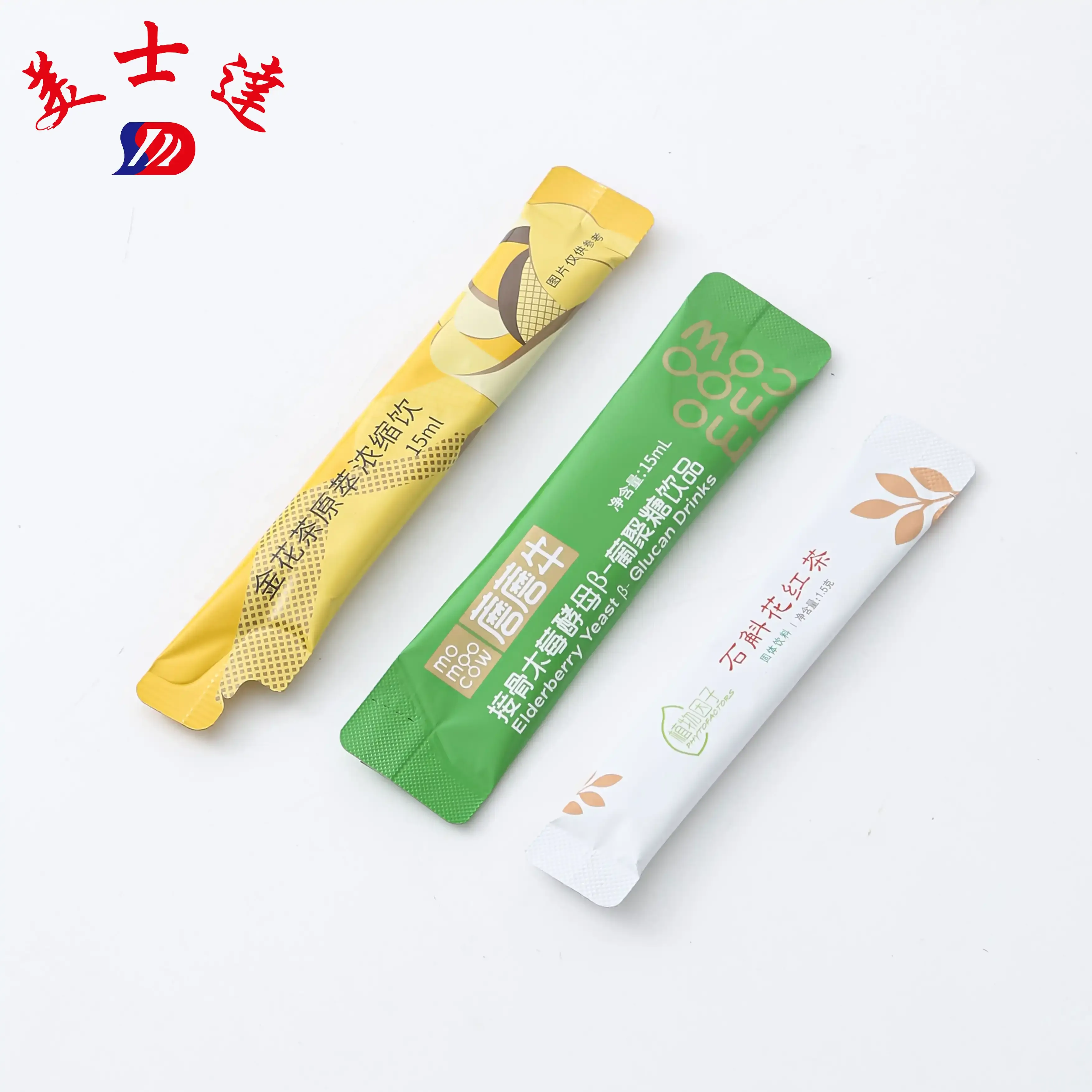
Stick Packs: Engineered for low-viscosity functional shots or syrups, stick packs offer a modern, direct-to-mouth experience. Success requires specialized liquid-dosing pumps and high-integrity fin-seal construction. Because of the narrow geometry, the laminate must be rigorously validated for burst pressure to withstand the hydraulic stress during transport and handling.
Sachets: The superior choice for viscous or oil-based liquids like sauces. The wider footprint provides larger headspace and expansive sealing surfaces, effectively managing product “stringing.” This architecture prevents oil-induced seal contamination—a common cause of failure in narrower formats—significantly reducing the risk of leaks during high-speed production and distribution.
.webp)
Granules and Particulates
Granular tea blends, salt mixes, and snack seasoning granules can be handled by both sachets and stick pack formats, but product characteristics matter.
Stick Packs: Best for uniform, free-flowing granules like fine salt or sugar. Their slim geometry requires high flowability to prevent bridging in narrow dosing tubes. This format ensures high dosing precision and a premium, controlled pour for consistent single-serve consumer experiences.
Sachets: Ideal for irregular blends or bulky particulates like herbal tea. The wider footprint provides a larger fill window, easily tolerating broad particle size distributions. This prevents clogging and ensures higher production speeds for mixtures that would otherwise obstruct a stick pack’s funnel.
Ask suppliers for particle-size acceptance ranges and to run production-speed trials with your specific material in a stick pack format if you target premium dosing.
Machinery, Cost, and Operational Considerations
From an OEE (overall equipment effectiveness) perspective, sachet lines typically deliver higher throughput at lower capital cost; stick pack machines can be more expensive per channel but offer lower packaging material per dose and better retail presentation.
Evaluate changeover complexity, spare parts availability, and the need for ancillary equipment (nitrogen flushing for oxygen-sensitive powders in a stick pack, or specialized pumps for viscous liquids). Run a TCO analysis including yield, downtime, and packaging waste for both options.
Buyer Checklist
When evaluating suppliers for a stick pack, require: verified dosing accuracy (CV%), seal strength and peel tests, accelerated shelf-life data, headspace O₂, and pilot-run samples on your filler or a validated OEM line.
For sachets, ask for speed-verified line trials, burst and drop tests for liquids, and migration/compatibility reports for food-contact laminates.
In both cases, insist on lot-level DoC/CoA and a clear change-management clause to prevent material substitutions that could harm performance.
Conclusion
Neither sachet nor stick pack is universally superior. The right choice depends on powder flowability, liquid viscosity, granule size, target dose precision, and channel economics. For premium single-serve items that demand precise dosing and a modern user experience, the stick pack is often the preferred format—provided the buyer enforces rigorous pilot validation and material specification. Make the decision using data, not aesthetics, and your packaging will support product success rather than hinder it.
Über Meishida

Meishida is a leading pharmaceutical packaging manufacturer specializing in custom stick pack and sachet solutions for regulated markets. With in-house production and mature process control, we combine manufacturing precision with flexible design execution, allowing brands to achieve both functional performance and refined visual presentation.
Our team brings extensive, hands-on experience in stick pack and sachet formats packaging, supporting a wide range of formulations and usage scenarios. Operating under production systems aligned with international safety and compliance standards, Meishida serves as a dependable factory partner for brands seeking consistency, innovation, and long-term reliability.