ES
ES  EN
EN  FR
FR  DE
DE  RU
RU  AR
AR  JA
JA 
Choosing a hanging hole is not a design flourish — it’s a retailing and engineering decision. The wrong hole type can cause torn bags on peg hooks, skewed displays, and customer complaints that cost you time and margin.
Here, Meishida, a leading pharmaceutical packaging manufacturer, compares hang hole and Euro hole options from a structural, production, and procurement viewpoint so you can specify the right hole packaging solution for your SKU.
What is Hang Hole Packaging?
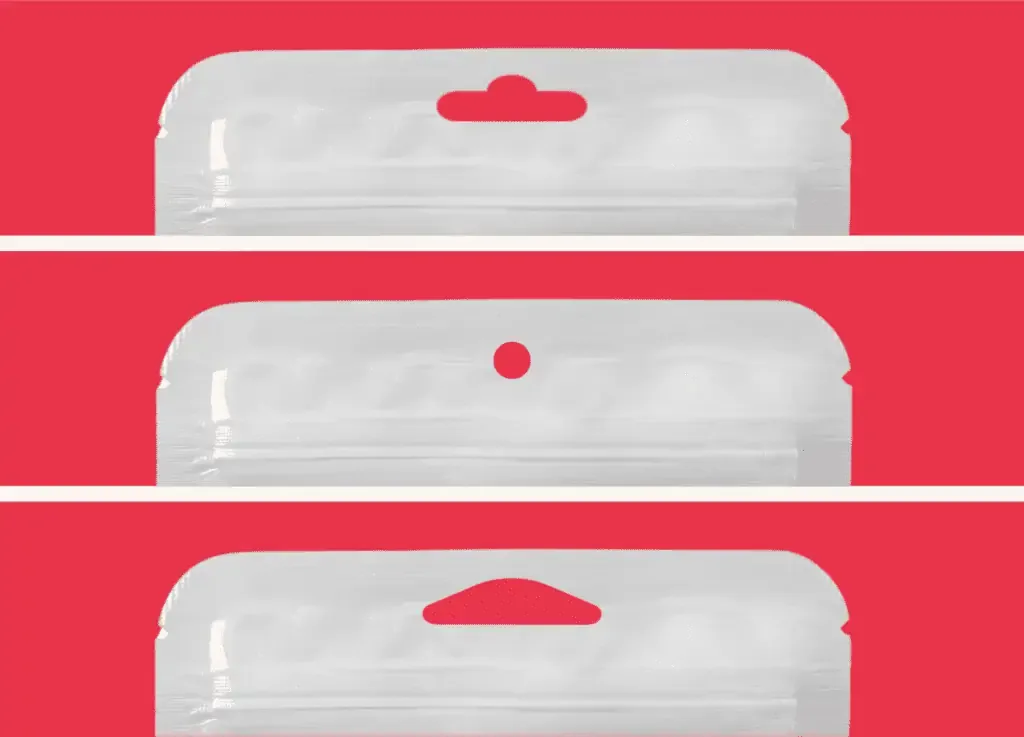
Definition: simple punched holes — round, half-round, or plain punch — usually centered or offset at the bag top.
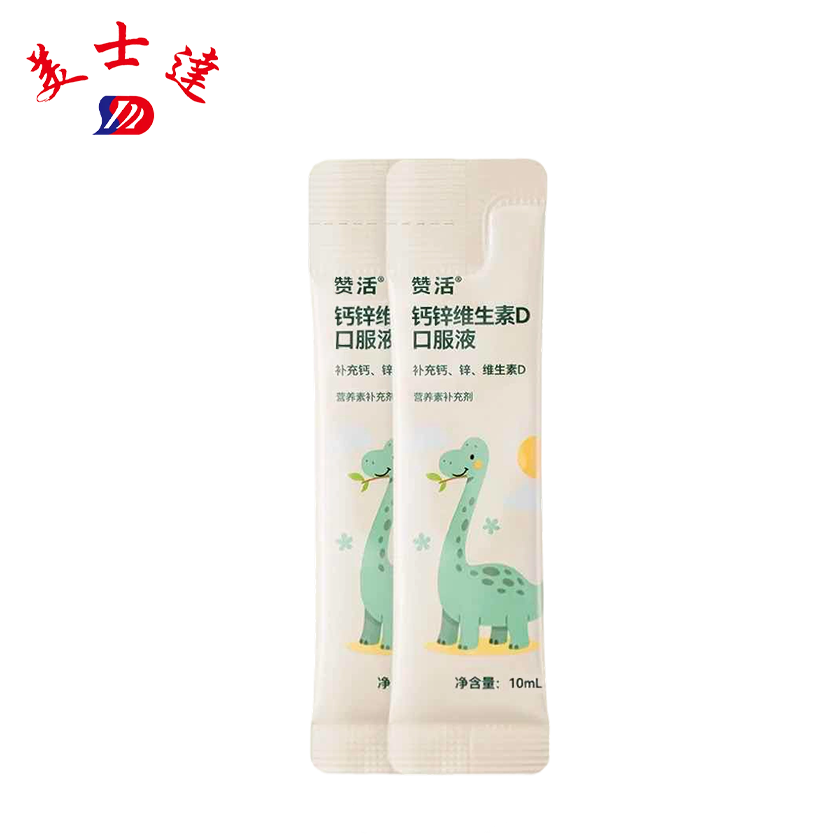
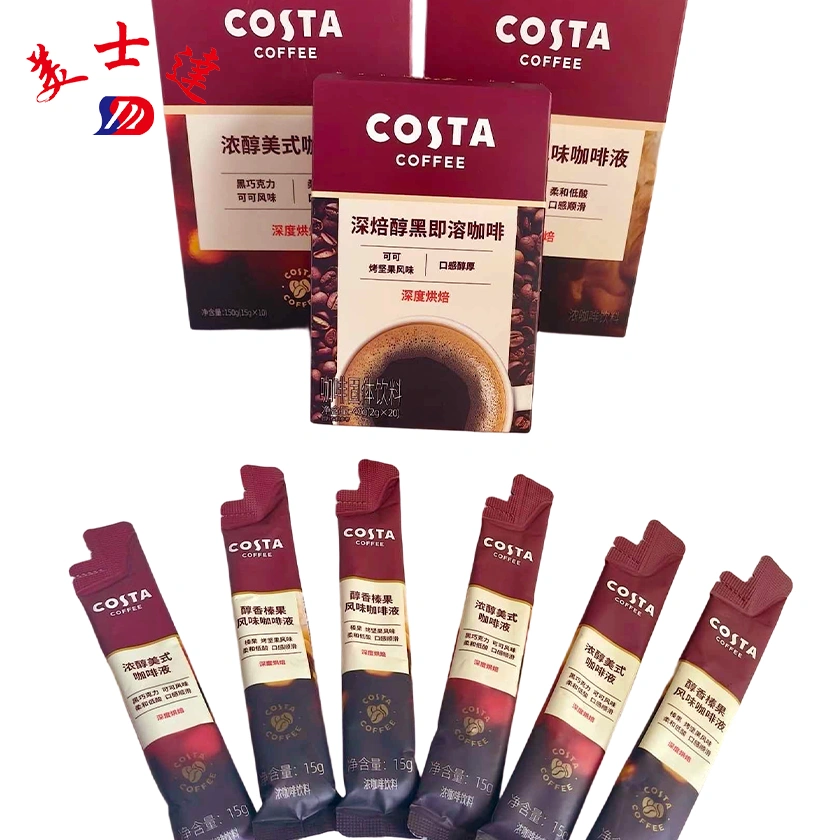
Typical use: lightweight, short-display products and promotional packs.
Materials: OPP, PET, PE films, or paper-backed laminates.
Pros: low tooling cost, fast production, flexible placement.
Cons: single-point load concentrates stress; needs reinforcement for heavier items.
What is Euro Hole Packaging?
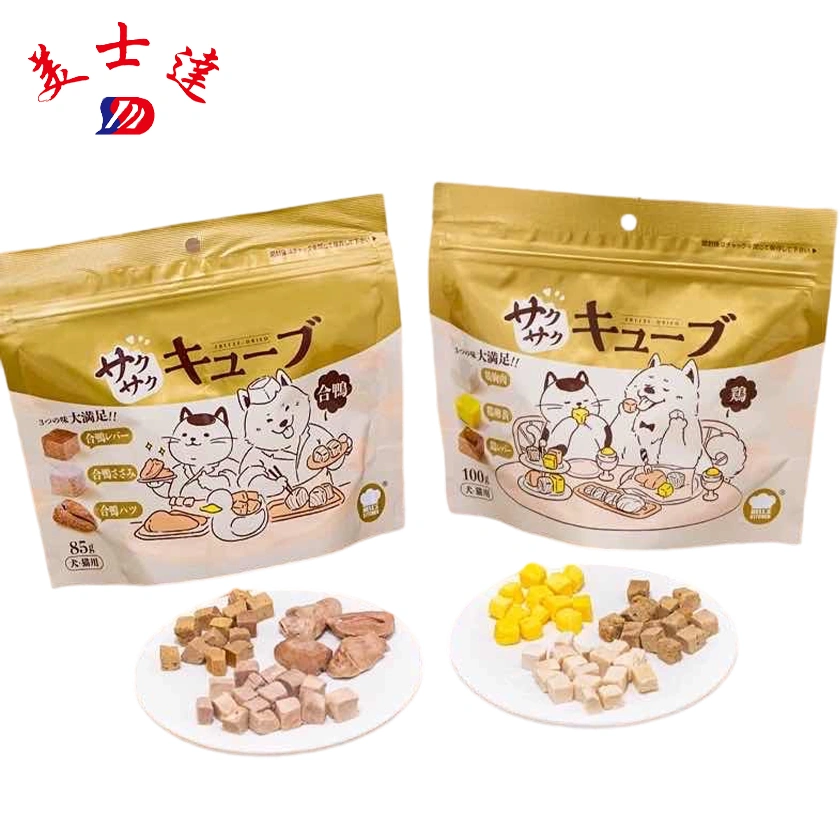
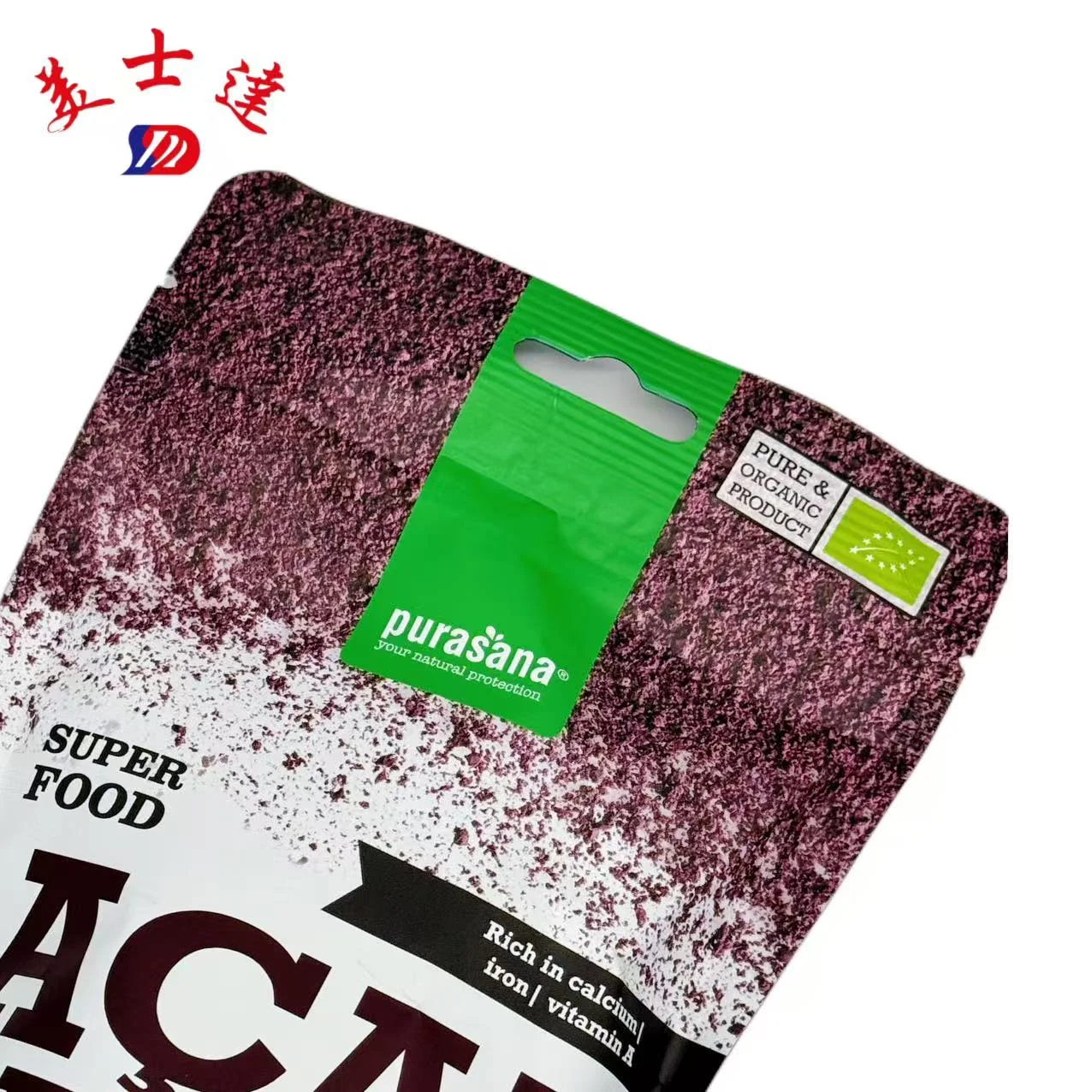
Definition: the Euro slot (two circular holes joined by a narrow slot) — a standardized retail format common in Europe.
Why it’s stable: dual contact points distribute load, resist rotation, and suit heavier or longer-displayed SKUs.
Typical use: mid-weight goods, permanent shelf-back displays, and chain retail channels that expect robust presentation.
Structural Strength & Load-Bearing Comparison
Load mechanism:
- Hang Hole — single-point load; stress concentrates at the punch edge and the adjacent laminate.
- Euro Hole — two load points plus a slot, spreading forces and reducing tear propagation.
Performance gaps appear when:
- Product weight increases.
- Items hang for extended campaigns.
- Customers frequently remove/re-hang the item.
Reinforcement options: local patch (film/adhesive), thicker laminate, or folded header can mitigate failures — but add cost and processing steps.
Production & Cost Implications
- Die-cut complexity: Euro slots are slightly more complex in die design and tooling. That can affect initial setup costs but not dramatically.
- Speed & yield: aggressive punching can nick seals or cause web distortion on high-speed form-fill-seal lines — especially on thin film. Euro holes may require slower indexing or additional rerouting.
- MOQ effects: reinforcement patches, thicker films, or pre-formed headers can raise MOQ and per-unit cost. Don’t assume “one extra cut” is trivial — evaluate end-to-end line effects.
- Automation: on high-throughput automated lines, hole placement tolerances and web stability matter. Poorly integrated punching can cause jitter that affects pouch sealing and print registration.
Product-Based Selection Guide (Featured Snippet Table)
| Product Type | Typical Weight Range | Recommended Hole Packaging |
|---|---|---|
| Small snacks, samples, sachets | < 50 g | Hang Hole (simple punch) |
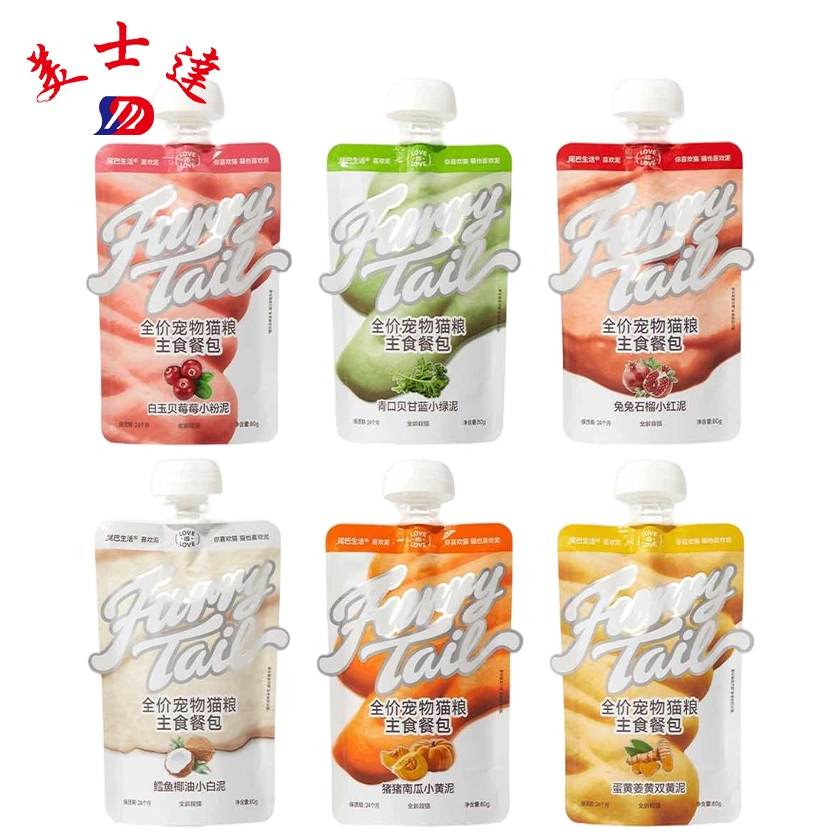
| Single-serve condiments, small toys | 50–150 g | Hang Hole with reinforcement patch |
| Mid-weight packaged foods, small tools | 150–500 g | Euro Hole (slot + dual contact) |
| Heavy or frequently handled SKUs | > 500 g | Euro Hole + reinforced header or perforated card |
Common Mistakes Buyers Make
- Assuming sample = production: a one-off poster sample hanging fine doesn’t prove mass-run reliability.
- Ignoring combined stresses: shipping vibration + peg display = much higher local stress than bench tests.
- Skipping fatigue tests: hanging fatigue and repeated re-hang cycles reveal edge-tearing modes you won’t see in static tests.
- Treating hole as a graphic choice: it’s structural — brief it like a mechanical spec.
How to Brief Your Packaging Supplier Correctly
Before production, give suppliers this minimum data set:
- unit gross and net weight, including any internal contents shifting;
- expected display duration and handling frequency;
- hook type and diameter if known (or retail standard);
- whether long-distance freight or drop tests are required;
- acceptance tests: pull-to-failure, fatigue cycles (e.g., 200 re-hang cycles), and drop/stack tests.
Ask for sample videos of pouches on peg hooks, and require pilot-run results rather than only pre-production mockups.
Structures that are Prone to Failure – From Factory Perspective
Thin single-web films with extensive printed coverage, narrow seal areas, or very small seam margins are commonly mishandled.
Frequent culprits: ultra-thin OPP used to save cost, lack of reinforcement patch when the weight increases, and punch placement too close to the weld lines. Fast-running converters sometimes locate punching units before final cooling/maturation, causing web stretch and misregistration.
In short: thin films + high line speed + inadequate edge reinforcement = most common failure pathway. Audit these points during factory visits and demand batch-level testing.
Conclusion
There’s no universal “better” — only the right choice for your product’s weight, display life, and supply-chain stresses. Use this decision rule:
Product weight × display duration × handling intensity × cost tolerance = hole choice.
Brief holes as engineering specs require fatigue and pull tests, and treat hole packaging as a small change with potentially large consequences. Do that, and you’ll avoid torn bags on the peg, lost sales, and the headache of reactive fixes.